Why Ali Ameen Opposed the March to DChowk: A Missed Strategy
Explore the political implications of Ali Ameen’s statement regarding the march to DChowk. Could halting at Sangjani and staying in Swabi have changed the outcome?
In the fast paced “world of Pakistani politics, small decisions often lead to significant consequences. One such moment arose during a major political movement when prominent political figure Ali Ameen Gandapur questioned a crucial strategic decision. His remarks—“Why did you go to DChowk If youd stopped at Sangjani we could have stayed in Swabi”—shed light on the internal disagreements within the leadership during a critical juncture.
Also Read : Pakistan Withdraws from Upcoming Hockey Tournaments in India Over Security Concerns
Who is Ali Ameen
Ali Ameen “Gandapur is a well known Pakistani politician and member of Pakistan TehreekeInsaf PTI. Known for his fiery speeches and unwavering support for party leadership, his words often reflect the sentiments of a significant section of the party. When he speaks it often carries weight—particularly among party workers and grassroots activists.
The Context: A Political March
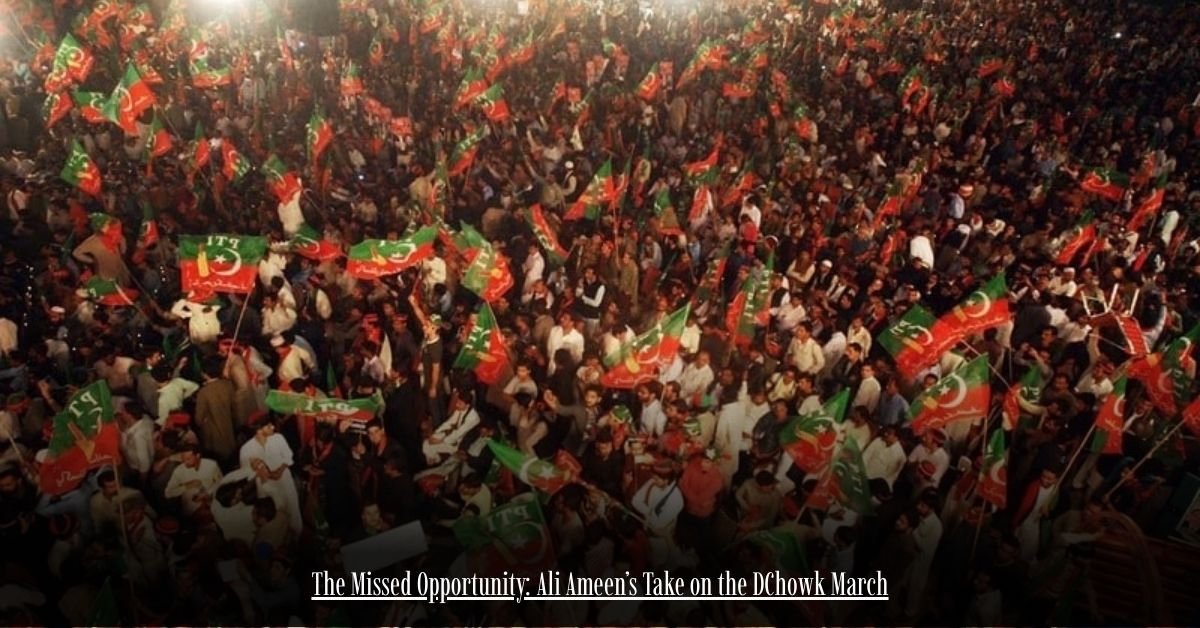
The statement in “question likely refers to one of PTIs long marches or protest rallies where the leadership and supporters were mobilized to push for political change. DChowk located in Islamabad is symbolic in Pakistan’s political landscape—it has been the epicenter of numerous political sitins and protests. However reaching DChowk often comes at a high political and security cost.
Strategic Differences
Ali Ameen’s criticism suggests a divergence in strategy among PTI leadership. According to him, instead of advancing toward the politically sensitive DChowk, they could have paused at Sangjani, a location near Islamabad but outside the federal capital’s security cordon. Furthermore he proposes that remaining in Swabi, a PTI stronghold in Khyber Pakhtunkhwa, could have been a more effective move.
Why Sangjani
Sangjani lies on the outskirts of Islamabad and acts as a buffer zone. Stopping there could have avoided direct confrontation with law enforcement while still applying pressure on the government. It would also have kept the partys narrative strong without risking the violence and chaos often associated with DChowk protests.
Importance of Swabi
Swabi is known for its loyal “PTI voter base and serves as a strategic mobilization point. Staying there could have allowed the party to gather more support, regroup, and plan more deliberately. According to Ali Ameen this would have kept morale high among workers and sustained political momentum.
The Aftermath
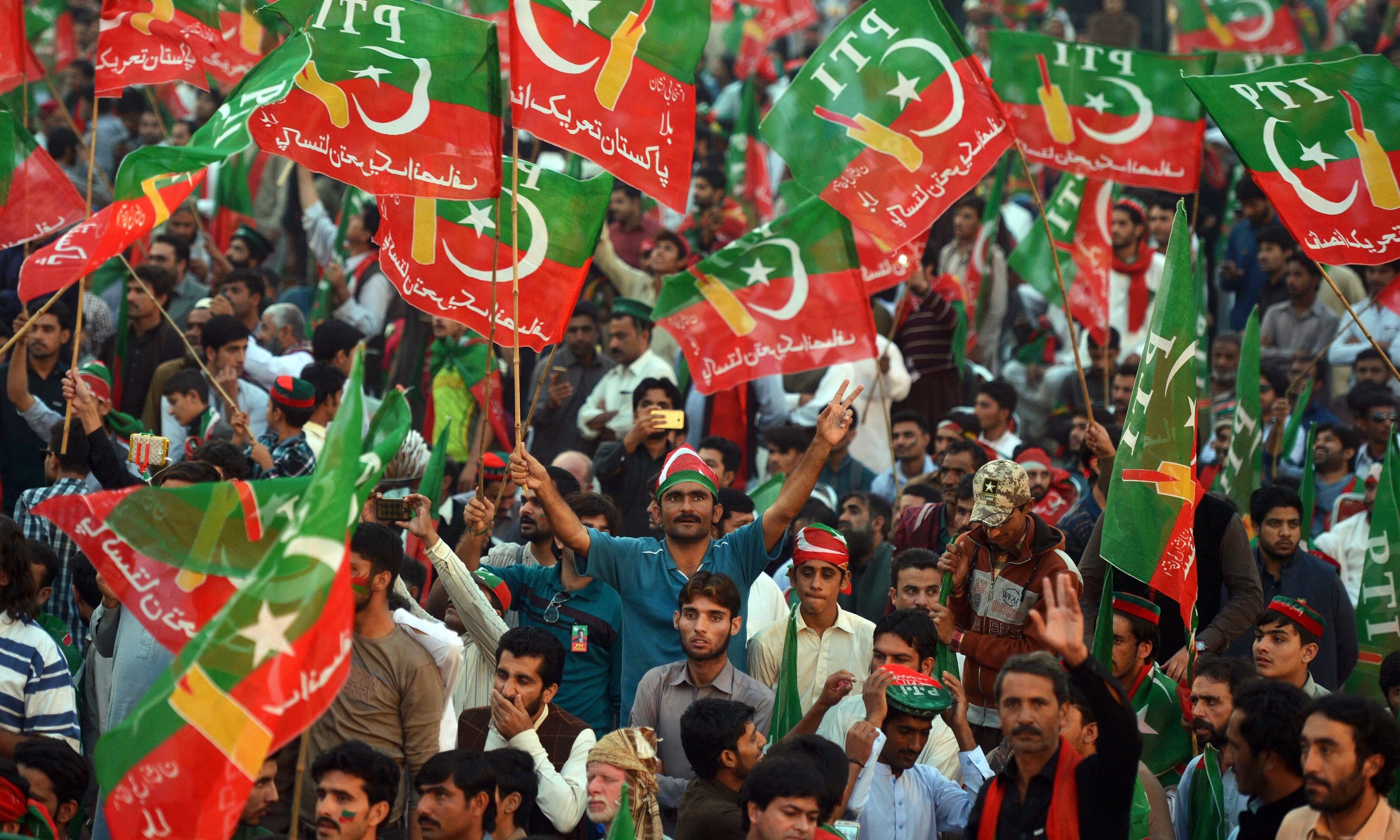
Although the decision to go to “DChowk was made, Ali Ameen’s hindsight suggests that alternative strategies might have yielded better results with fewer risks. His comments open a window into the internal discussions and disagreements that shape political movements in Pakistan.
Conclusion
Ali Ameen’s “statement is more than just a criticism it is a reflection of a broader debate about protest strategy, leadership choices, and political effectiveness. Understanding such internal dynamics is key to analyzing the successes and failures of political movements in Pakistan.